
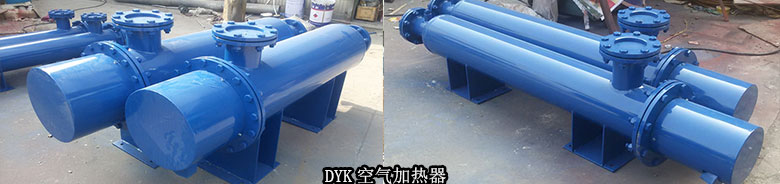
The selection of electric heater needs to consider multiple factors. The following are some key selection points and steps:
1. Determine the heating requirements Heating medium:
Understand whether the heated substance is a liquid (such as water,oil,chemical solution,etc.),a gas,or a solid. Different heat conduction characteristics and specific heat capacity of different media will affect the type selection.
For example,water has a large specific heat capacity,which requires higher power to heat up; while gas has relatively poor heat conductivity and needs a special design for heating.
Heating temperature range: specify the maximum temperature and minimum temperature required,as well as the temperature control accuracy requirements.
For example,in the chemical production,some reactions need to be accurately controlled within a specific temperature range,which puts forward high requirements for the temperature control ability of the electric heater.
Heating space and volume: Determine the total volume of the heated medium or the size of the heated space.
A larger heating space may require multiple electric heaters to work together,or select a single heater with a larger power.
2. Consider the working environment pressure and the sealing requirements:
If there is pressure in the working environment,the electric heater needs to have the corresponding pressure bearing capacity,and ensure good sealing performance,to prevent medium leakage.
For example,the electric heater in the autoclave reactor must be able to withstand the high pressure and ensure safety.
Protection grade: select the appropriate protection grade (IP code) according to the humidity,dust and corrosion of the use place.
In a humid environment,choose the electric heater with a higher protection grade,such as IP65 and above.
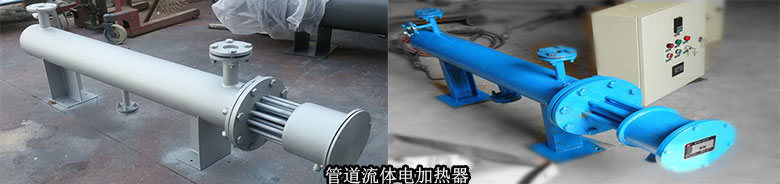
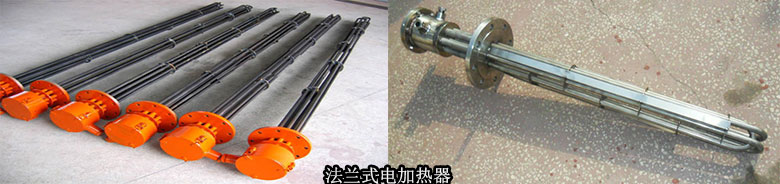
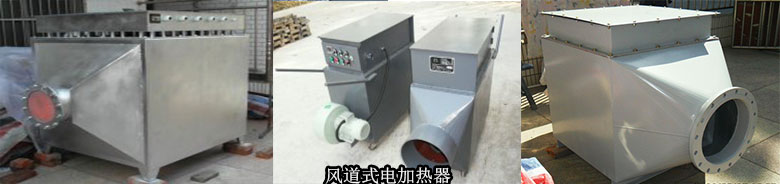
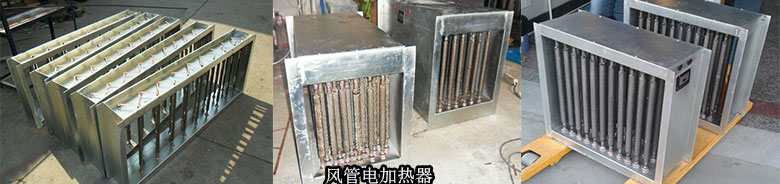
Installation method and space limitation: determine the installation position and method of the electric heater (vertical,horizontal,insert type,etc.),and consider the size of the installation space.
If the space is limited,a compact electric heater design may be required.
3. Select the appropriate type of electric heating element
Resistance wire heating: low cost,but heating uniformity may be relatively poor.
It is often used in some simple heating applications requiring low temperature uniformity.
Electromagnetic heating: high efficiency,fast heating speed,but high cost.
Suitable for high heating efficiency and speed requirements,such as industrial furnaces.
Infrared heating: suitable for local rapid heating,the heating effect on the object surface is good.
Like plastic molding,surface drying and other processes often use infrared heating.
4. Calculate the required power
Reference to the electric heater power calculation method mentioned above to ensure that the power of the selected electric heater can meet the heating requirements. Click to view
5. Control and security functions
Temperature control mode: select the appropriate temperature control mode,such as PID control,thermocouple feedback control,etc.
For applications with high temperature control accuracy requirements,PID control usually provides a more precise adjustment.
Overheating protection and leakage protection: ensure that the electric heater has effective overheating protection device and leakage protection function to ensure the safety of use.
This is particularly important in some flammable and explosive environments or in places with very high safety requirements.
Vi. Brand and quality
Select well-known brands and manufacturers with good reputation to ensure product quality and after-sales service. In short,the selection of electric heater is a comprehensive process,need to fully consider various factors to ensure the selection of the most suitable practical application needs of electric heater. For example,in the food processing industry,food needs to be considered for electric heaters heating cooking oil



 苏公网安备32118202000119号